How Continuing Competency Applies to Hawaii Plumbers
Continuing competency can sound like a bureaucratic phrase, but for Hawaii plumbers it has a very practical meaning. It sits at the intersection of licensing, code knowledge, and the day to day work that affects homes, businesses, and public health. In Hawaii, a plumber’s license is required for any person who performs plumbing work, and the state directs consumers to verify license status through the Department of Commerce and Consumer Affairs licensing system. That alone tells you something important: plumbing is not treated as casual handyman work. It is licensed trade work, and the state expects it to be performed by qualified people.
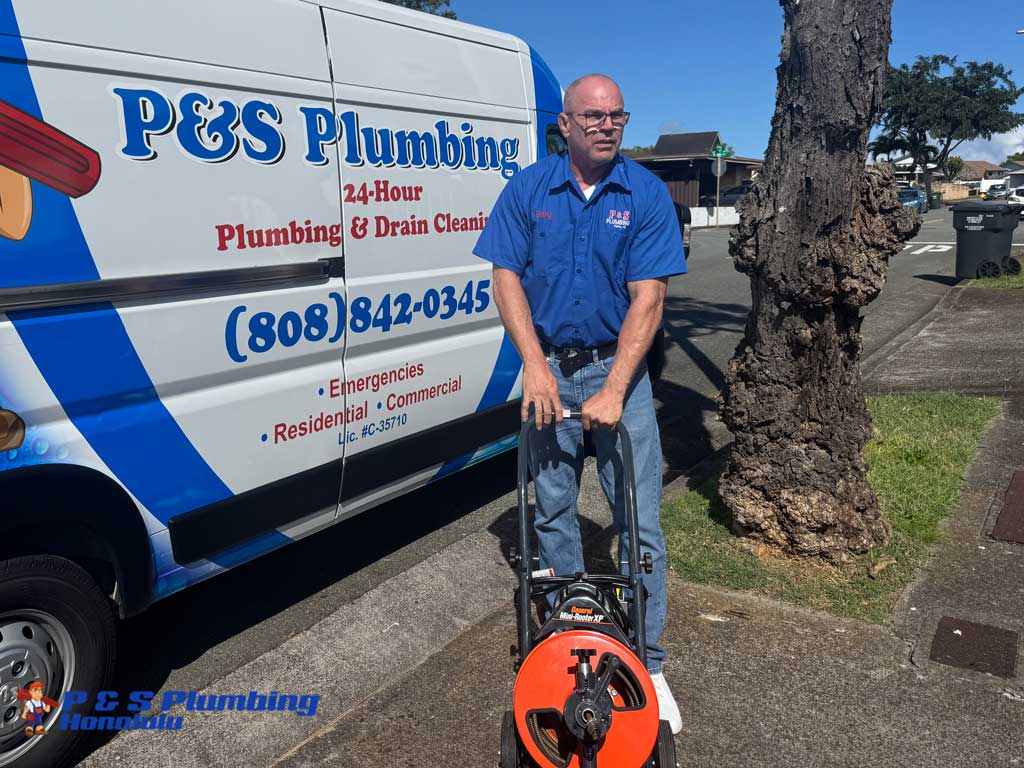
For the current renewal cycle, Hawaii’s Board of Electricians and Plumbers requires licensed plumbers on active status to complete continuing competency based on the 2021 Uniform Plumbing Code for the July 1, 2024 to June 30, 2027 renewal period. That single requirement carries real consequences for the trade. It affects how licensed plumbers stay current, how employers manage compliance, how consumers choose a professional, and how the public can expect a minimum standard of competence from someone working on a water, drain, or sewer system.
If you are a licensed plumber, own a plumbing business, manage facilities, or simply searched for a “plumber near me” because something is leaking under the sink, it helps to understand what continuing competency actually means in Hawaii and why it matters.
The state’s approach is straightforward
Hawaii’s licensing structure is clear on the point that plumbing work requires a license. The Board of Electricians and Plumbers handles plumber licensing, renewals, and continuing competency requirements. Public materials from the state also indicate that plumbing roles and contractor related applications rely on valid Hawaii journey worker or master plumber licenses. Put plainly, the state does not separate licensing from competency. They are tied together.
That matters because plumbing systems are not static. Codes evolve. Interpretations tighten. Common installation practices can shift over time as the code language changes or as enforcement becomes more consistent. Continuing competency exists to keep an active license from becoming just a historical credential. A person may have earned a license years ago, but active practice requires keeping current with the code basis set by the board for that renewal period.
For the present cycle, that code basis is the 2021 Uniform Plumbing Code. Hawaii is not asking active plumbers to rely only on what they learned when they first got licensed. It is requiring them to stay grounded in the code framework that governs current practice during the July 1, 2024 to June 30, 2027 period.
Why “active status” is the key phrase
The phrase “licensed plumbers on active status” deserves attention. It is easy to skim over it, but it is doing a lot of work.
An active license is not just a card in a wallet. It is a current legal status, and that status carries obligations. Continuing competency attaches to that active standing. For contractors and shop owners, this is not merely paperwork. If your business depends on licensed personnel to perform plumbing work, you need to pay close attention to whether those licenses are active and whether the holders are meeting renewal requirements.
For individual plumbers, active status is also a signal to customers. A homeowner calling for water heater repair or leak detection is not likely to ask detailed questions about code editions. What they do care about is whether the person entering the house is properly licensed and current. The public license search makes that check possible. Consumers can review active status, original licensure dates, expiration dates, and disciplinary history through the DCCA system. That is more transparency than many people realize.
There is a practical lesson here for both sides of the transaction. For plumbers, your professionalism is visible. For customers, due diligence is available if you choose to use it.
Continuing competency is not abstract when the work is real
Plumbing work covers a wide range of field conditions. Even within a single community such as Hilo, plumbing companies may offer services that range from drain cleaning and sewer line repair to water heater repair, solar water heater repair, and leak detection. Some companies work primarily in residential repair, some also market emergency plumber services, and some operate as a commercial plumber for larger facilities and businesses.
The continuing competency requirement matters because those service calls are rarely simple on paper. A clogged line can reveal improper prior work. A water heater replacement can expose venting, relief, or connection issues that were hidden until the old unit came out. Leak detection often leads to decisions about access, repair scope, and whether a visible symptom points to a larger system problem. Sewer line repair can quickly move from routine excavation or replacement planning into code sensitive territory.
A code based competency requirement does not remove field judgment, but it does strengthen the foundation under that judgment. That is the point. The state is not trying to replace experience. It is making sure experience stays aligned with the code basis that governs current licensed work.
What this means for plumbers in daily practice
For a working plumber, continuing competency often changes the quality of decisions in subtle ways. It may sharpen how a person reads a situation before touching a fitting. It may affect the confidence with which someone explains a correction to a property owner. It can also reduce the temptation to fall back on “the way we used to do it” when that approach no longer reflects the current code basis.
That matters most in the jobs that feel routine. Routine work is where shortcuts tend to hide because familiarity can dull attention. The plumber who handles repetitive service calls all week long still needs to stay current. In many trades, the mistakes that cost the most money are not dramatic failures. They are ordinary errors repeated enough times to become expensive.
Think about a technician called out for an emergency plumber visit after hours. The customer is stressed. Water may be shut off. The expectation is speed. In that moment, technical confidence matters, but disciplined judgment matters just as much. Continuing competency is part of what supports that judgment. It gives the licensed plumber a current framework, not just an old memory.
For shops with multiple employees, the requirement also influences management. Scheduling training, tracking renewals, and confirming active status are operational tasks, not just administrative chores. A business that treats licensing compliance casually invites avoidable risk.
Consumers should understand what continuing competency does, and does not, promise
Continuing competency is important, but it should be understood correctly. It does not guarantee that every licensed plumber has the same level of customer service, speed, or diagnostic style. It does not mean every company offers the same specialties. And it does not erase the difference between a seasoned field veteran and a newer license holder.
What it does provide is a minimum regulatory framework for active licensees. It means the state has connected current licensure to current competency requirements. That is meaningful for consumers because plumbing problems often begin with urgency and end with trust. Most property owners are not in a position to evaluate code compliance on the spot. They need signals they can rely on, and licensure status is one of the strongest available.
When someone searches “plumber near me,” results can blur together. The websites may all promise quick service, honest work, or broad capabilities. The state license search cuts through some of that marketing. It allows a customer to verify whether the plumber is active and to review basic license history and disciplinary information. That is especially useful when the service need is serious, expensive, or time sensitive.
Hilo is a good example of why scope matters
Hilo offers a useful window into the broader conversation because publicly advertised plumbing services there reflect the range of work that licensed plumbers may perform. Hilo plumbing businesses advertise drain cleaning, sewer line repairs and installations, solar water heater installation and repair, leak detection and repair, residential plumbing repair, emergency plumbing, water heater installation, sewer line inspection, and related services.
That range matters because continuing competency is not only about one narrow type of job. A Hilo plumber may move from a clogged line in the morning to a solar water heater repair call later that day. Another may split time between residential service and commercial plumber work. Even if the board’s requirement is framed at a licensing level rather than by specialty, the field reality is broad. Code based competency supports consistency across that broad scope.

It also helps explain why customers should ask better questions. Not every licensed plumber will market every service. A company known for drain cleaning may not emphasize the same work mix as a shop that regularly handles sewer line repair or larger commercial projects. Licensure and continuing competency tell you the trade professional is operating within the state’s framework. They do not tell you whether that company is the best fit for a specific problem. That still requires a conversation.
The licensing search is more useful than many customers think
Most homeowners only think about license verification when something has already gone wrong. It is better used earlier. The DCCA public license search gives consumers a practical way to check active status, original licensure dates, expiration dates, and disciplinary history. That is not a minor feature. It turns what could feel like guesswork into a basic screening step.
Here is where that check helps most:
- before authorizing major plumbing work such as sewer line repair or water heater replacement
- when hiring an emergency plumber under pressure, when people are more likely to skip verification
- when comparing companies that offer similar services, such as leak detection or drain cleaning
- when a project involves a commercial plumber and the stakes include business interruption
- when a consumer wants to confirm that the person performing plumbing work is actually licensed in Hawaii
This does not need to become an ordeal. It is a simple habit, and it is one of the few consumer protections that directly connects to state maintained information.
Trade professionals should not treat continuing competency as a box to check
From the outside, people often assume continuing education or continuing competency is just a renewal hurdle. In the trades, that view usually comes from one of two places. Either the person has enough experience to feel immune from updates, or they have not yet seen how quickly small misunderstandings can become expensive callbacks.
The healthier view is that continuing competency protects both the license and the work. It helps preserve professional credibility. It also helps a plumber explain recommendations with more confidence. Customers notice that. They may not know the details of the 2021 Uniform Plumbing Code, but they can tell when an explanation is grounded, specific, and consistent.
There is also a reputation issue. In local markets, especially on islands and in tighter communities, word travels. A shop that appears organized, current, and careful with licensing tends to earn more trust over time than one that treats compliance as a nuisance. That is true whether the company focuses on residential repairs, water heater repair, solar water heater repair, or commercial service.
For employers, compliance is part of risk management
Business owners sometimes separate field performance from license administration. That is a mistake. In a licensed trade, they are intertwined.
If a company depends on active licensed plumbers, then continuing competency is part of workforce management. So is checking expiration dates and making sure people remain in good standing. The same applies when assigning jobs that may raise customer scrutiny. A large sewer line repair, a visible leak detection project in a commercial building, or a high value water heater installation often prompts questions from owners, managers, or insurers. Being able to show that your licensed personnel are active and current supports credibility from the outset.
This is especially true for businesses that advertise emergency plumber service. Urgent work tends to compress decision making. When calls come in after hours or during a service backlog, there is a greater chance of operational shortcuts. Licensing compliance is one area where shortcuts do not age well.
Continuing competency supports the public health side of plumbing
People often think of plumbing as convenience until a failure makes the stakes obvious. Good plumbing work protects sanitation, water service, and safe system performance. That is one reason licensing is handled seriously in Hawaii.
Continuing competency supports that public health role by reinforcing code based practice over time. The exact day to day impact depends on the job type, but the principle holds across the board. Whether the task is a leak repair in a home, drain cleaning that uncovers a larger issue, or commercial plumber work in a facility that serves the public, the trade carries consequences beyond the visible fixture or pipe.
That is why the board’s role matters. Licensing, renewals, and competency requirements are not random hurdles. They are part of how the state maintains a licensed plumbing workforce that is accountable to a current standard.
What customers should ask before hiring
A customer does not need to become an expert in plumbing regulation to make a better hiring decision. A few direct questions usually tell you a lot about a company’s professionalism and whether they take licensure seriously.
- Are you licensed to perform plumbing work in Hawaii, and is the license active?
- Who will actually perform the work, and what is that person’s license status?
- Can I verify your status through the state licensing system?
- Do you regularly handle this type of job, whether it is leak detection, drain cleaning, or water heater repair?
- If the problem expands in scope, such as a drain issue turning into sewer line repair, how will you explain the next steps?
None of those questions are hostile. A reputable company should be comfortable answering them. In fact, professionals who take licensing seriously usually appreciate a customer who values it.
Why this matters over the 2024 to 2027 renewal period
The current renewal period gives this topic immediate relevance. Hawaii’s active licensed plumbers are expected to complete continuing competency based on the 2021 Uniform Plumbing Code during the July 1, 2024 to June 30, 2027 cycle. That means this is not a distant policy issue. It is the live framework for active licensure right now.
For plumbers, that means staying engaged with the requirement rather than waiting until renewal pressure builds. For employers, it means monitoring compliance in a timely way. For consumers, it means there is real value in checking the public licensing system when selecting a plumber, whether for a routine service call or a larger project.
The strongest tradespeople I have encountered over the years, in plumbing and elsewhere, usually share one trait. They do not resent standards that keep the work sharp. They may grumble about paperwork, everyone does, but they understand the difference between empty bureaucracy and a requirement that reinforces professional practice. Continuing competency falls into the second category. It ties active licensure to current code based knowledge, and in a regulated trade like plumbing, that is exactly where it belongs.
For Hawaii property owners, that should be reassuring. The next time you need a plumber, a Hilo plumber, an emergency plumber, or a commercial plumber for a larger facility issue, there is a practical way to look past marketing and start with something more solid. Check the https://trevordiwm322.capitaljays.com/posts/hilo-plumber-services-for-sewer-line-inspection-and-repair license. Confirm active status. Understand that continuing competency is part of what stands behind that status. That is not red tape. It is one of the clearest signs that plumbing work in Hawaii is meant to be performed by qualified professionals who are expected to stay current.
Name: P&S Plumbing Hilo
Address: 879 Manono St B, Hilo, HI 96720, United States
Phone: 808-935-3892
Website: https://www.psplumbinghawaii.com/locations/hilo/
Email: [email protected]
Hours:
Sunday: Open 24 hours
Monday: Open 24 hours
Tuesday: Open 24 hours
Wednesday: Open 24 hours
Thursday: Open 24 hours
Friday: Open 24 hours
Saturday: Open 24 hours
Time zone: Hawaii-Aleutian Time
Open-location code / Plus code: PW6J+35 Hilo, Hawaii, USA
Map/listing URL: https://www.google.com/maps/search/?api=1&query=Google&query_place_id=ChIJ4Wwh4jGFTIQRdIh8RLXElbM
Embed iframe:
Socials:
https://web.facebook.com/psplumbinghilo/
https://www.instagram.com/psplumbinghilo
https://ph.pinterest.com/psplumbinghilo/
https://x.com/psplumbinghilo
https://www.linkedin.com/in/psplumbinghilo
P&S Plumbing Hilo provides plumbing services from its Hilo location on Manono Street.
The official Hilo page lists plumbing support for Hilo and surrounding communities, with Hilo phone service available at 808-935-3892.
P&S Plumbing provides residential plumbing, commercial plumbing, drain cleaning, sewer-line service, water heater work, plumbing repairs, leak detection, fixture repair, bathroom plumbing, kitchen plumbing, and emergency plumbing support.
The official contact page lists the Hilo location at 879 Manono St, Unit B, Hilo, HI 96720.
The company’s official site lists Hawaii State License Number CT-35710 and describes P&S Plumbing as licensed and insured.
Customers can contact P&S Plumbing Hilo for clogged drains, sewer-line concerns, water heater service, plumbing leaks, fixture repairs, toilet issues, kitchen plumbing, bathroom plumbing, commercial plumbing, residential plumbing, and urgent plumbing requests.
For plumbing service in Hilo and East Hawaii, call 808-935-3892 or visit https://www.psplumbinghawaii.com/locations/hilo/
The supplied public map listing uses plus code PW6J+35 Hilo, Hawaii, USA and can help customers find P&S Plumbing Hilo near Manono Street.
Popular Questions About P&S Plumbing Hilo
What does P&S Plumbing Hilo provide?
P&S Plumbing Hilo provides plumbing services for residential and commercial customers, including drain cleaning, sewer and drain service, water heater service, plumbing repairs, fixture repair and installation, leak detection, bathroom plumbing, kitchen plumbing, and emergency plumbing.
Where is P&S Plumbing Hilo located?
The official contact page lists the Hilo location at 879 Manono St, Unit B, Hilo, HI 96720.
What phone number should Hilo customers call?
The official website lists Hilo phone number 808-935-3892.
What is the email address for P&S Plumbing Hilo?
What are P&S Plumbing Hilo’s hours?
The listing hours show P&S Plumbing Hilo as open 24 hours a day, seven days a week, Hawaii-Aleutian Time. Customers should call 808-935-3892 to confirm service availability for urgent needs.
Is P&S Plumbing licensed?
The official Hilo page lists Hawaii State License Number CT-35710. Customers can confirm license status directly with the relevant Hawaii licensing authority before hiring.
Does P&S Plumbing Hilo offer emergency plumbing?
Yes. The official Hilo page references emergency services, and the supplied listing shows 24-hour availability.
Does P&S Plumbing Hilo handle water heaters?
Yes. P&S Plumbing’s official site lists water heater repair and installation services, including service for the Big Island and Hilo.
What areas does P&S Plumbing serve from Hilo?
The official site lists service for Hilo and surrounding areas, with broader P&S Plumbing service across the Big Island and Oahu.
How do I contact P&S Plumbing Hilo?
Call 808-935-3892 or visit https://www.psplumbinghawaii.com/locations/hilo/. Social profiles: Facebook, Instagram, Pinterest, X, and LinkedIn.
Landmarks Near Hilo, HI
Manono Street: The street listed for P&S Plumbing Hilo and a practical reference point for the Hilo location.
Kamehameha Avenue: A major Hilo waterfront route connecting downtown, commercial areas, and local service corridors.
Hilo Bayfront: A central Hilo waterfront landmark near downtown businesses and residential areas.
Downtown Hilo: A major East Hawaii business, civic, and residential district served by local plumbing contractors.
Hilo Farmers Market: A well-known downtown Hilo landmark and local reference point.
Hilo Harbor: A major commercial harbor and industrial-area landmark near Hilo service routes.
Prince Kūhiō Plaza: A major Hilo shopping landmark near residential and commercial areas.
University of Hawaiʻi at Hilo: A major education landmark serving the Hilo area.
Hawaiʻi Community College: A local education landmark near central Hilo routes.
Hilo International Airport: A major East Hawaii transportation landmark near commercial and residential service areas.
Liliʻuokalani Gardens: A well-known Hilo park and waterfront landmark near Banyan Drive.
Banyan Drive: A recognizable Hilo hotel and waterfront corridor close to Hilo Bay.
Wailuku River State Park: A major natural landmark near Hilo, including Rainbow Falls and nearby residential areas.
Panaʻewa Rainforest Zoo and Gardens: A Hilo-area landmark southeast of downtown.
Keaukaha: A coastal Hilo community with homes, parks, and local plumbing service needs.
For residential plumbing, commercial plumbing, drain cleaning, sewer-line repair, water heater service, leak detection, fixture work, bathroom plumbing, kitchen plumbing, or emergency plumbing near these Hilo and East Hawaii landmarks, contact P&S Plumbing Hilo at 808-935-3892 or visit https://www.psplumbinghawaii.com/locations/hilo/